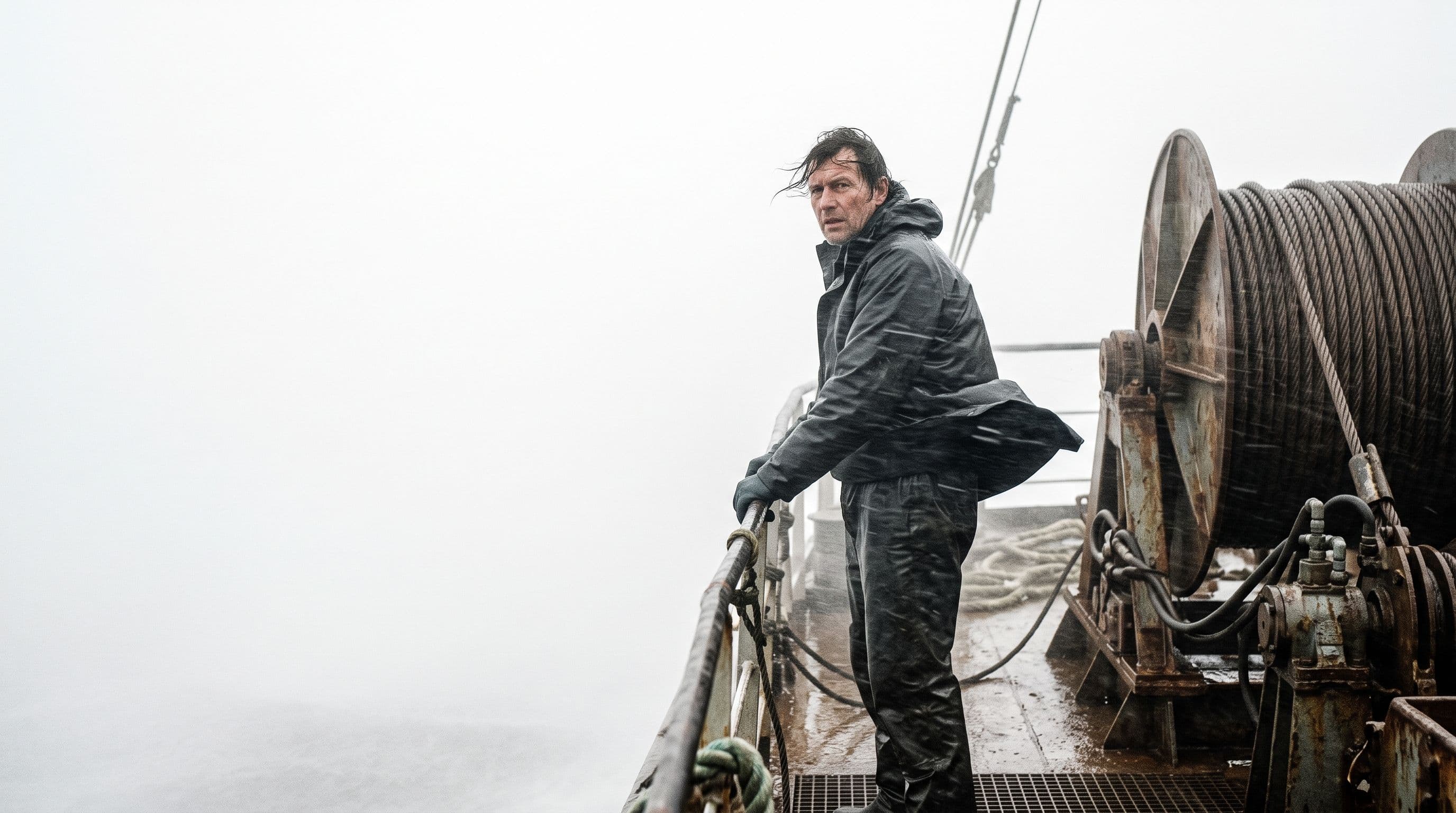
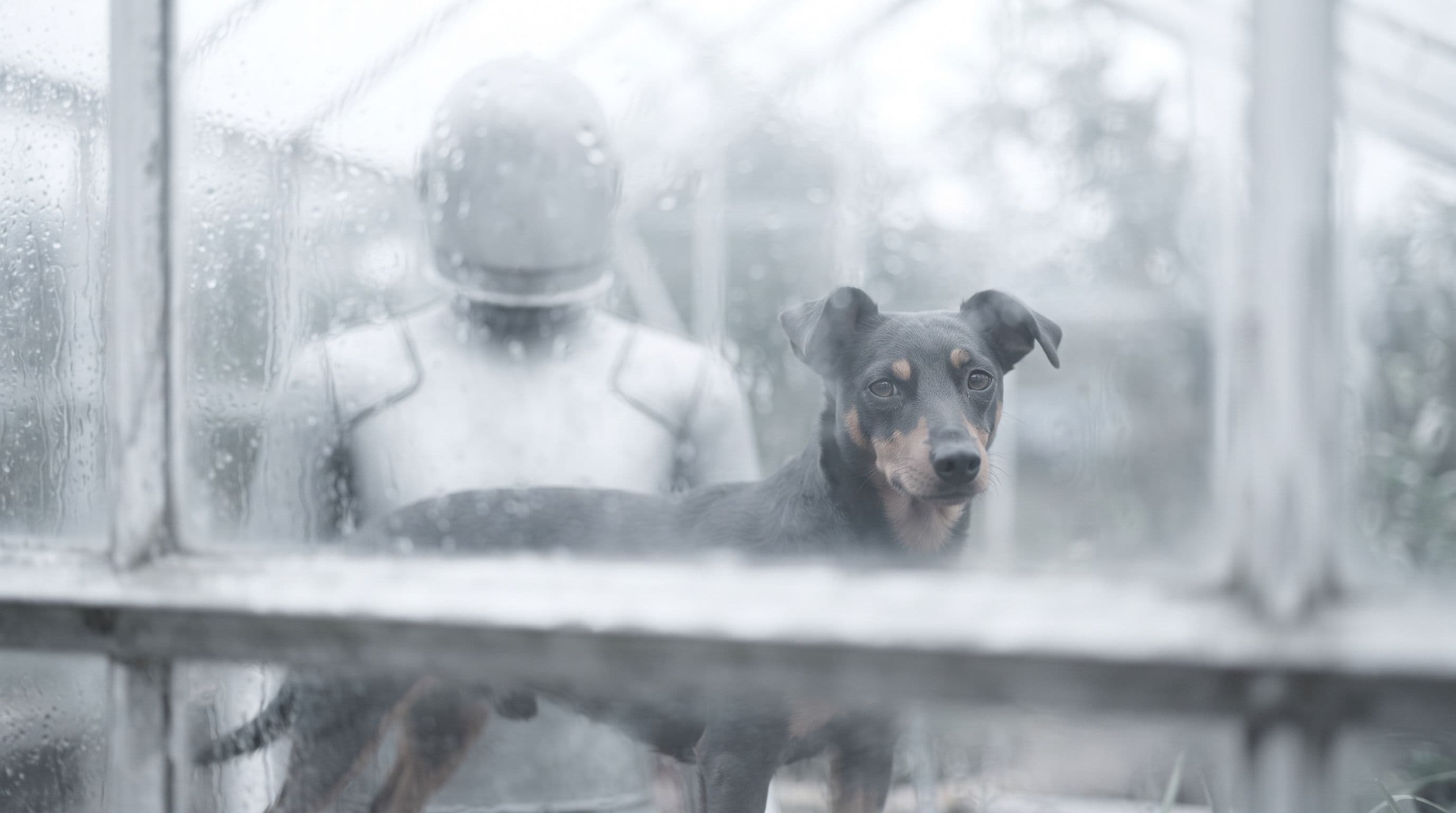
Most launch videos are boring. I made mine a musical in 2.5 hours.
Most launch videos are boring. I made mine a musical in 2.5 hours.

On this page
Most launch videos are extremely serious about software. Read: boring.
A cursor glides across a dashboard. Three cards slide neatly into place. An ambient synth track suggests a refrigerator has recently become come alive and started playing a keyboard. The product promises to change work forever, then asks you to book a demo.
I totally understand how we got here. Software is difficult to show (and intrinsically boring), and a launch video has too much to explain before everyone scrolls away. It's such a rough thing to nail that I literally book mark engaging product launch videos - and the folder where they're kept is small.
I wanted to produce a video that'd be kept in someone else's bookmark folder. I wanted people to watch Romy's twice, ideally because they liked it and not because the feature list went past too quickly. I wanted them to laugh, and see themselves in it.
Romy First Users - Romy OS's MVP - helps solo founders find the first people who might need what they have built. It gives them the names, the reason each person is relevant and a possible way to start the conversation. I could already see the respectable launch video: product screens, tasteful motion, a confident voice explaining three benefits. In fact, I built it. And I hated it (it was fine).
So I made an upbeat 45-second pop musical about the bleak little period after a founder ships an app and discovers their mom is the entire user base.
The finished film took roughly 2.5 hours from the first lyric notes to the final 1080p render. I spent $0 on production. I supplied the idea, visual direction, and judgment; Sol refined the script, Suno made the song, Astra built the film in Remotion, and Claude Opus reviewed the result with the enthusiasm of someone invited to find fault and couldn't wait to make various graphs about it.
Your mom signed up. The servers survived.
I wrote rough notes for the lyrics and the story I wanted the film to tell. A founder builds an app, ships it and waits. Their mom signs up. The servers survive. Actual users remain committed to their policy of not existing.
The opening lyric was already there in pieces:
You built the app.
You shipped it live.
Your mom signed up.
The servers survived.
My part was the original idea, those lyric notes and the visual direction. Sol turned them into a proper short script with a beginning, a middle and a chorus that explained what Romy does.
Then I took the lyrics into Suno. I asked for upbeat pop and gave it a hard limit of roughly 45 seconds.
The first attempts were, let's say, not great. The lyrics were slightly too much for my specified 45 seconds, and I couldn't get the singer to enunciate as well as I wanted. So I shortened the lyrics, and went to great pains to write every slightly tricky word phonetically. After about 12 iterations, we had a complete arc in less than a minute.
The first film was actually a contact sheet
Once the song worked, I moved into Remotion, which creates video in React. Astra could build the film in code, while I asked for precise changes without rebuilding a timeline.
I handed over the finished track, lyrics, Romy logo, colors, typefaces, product references, dog images, sound effects, a 1920 x 1080 frame and an exact 45-second runtime. You could, I guess, call this a production brief; if I was honest, it would be better called a brain dump.
Astra generated the first full version, then rendered a contact sheet so every scene could be seen at once.

The video looked more impressive while it was moving than it did as 17 frames in a grid. The contact sheet showed the repetition immediately: pale backgrounds, white product cards and headlines sitting in similar places. It looked like a corporate PowerPoint made by a whimsical intern who hasn't had their creativity drained out of them yet.
Claude found the PowerPoint
I took the video and contact sheet to Claude Opus and asked it to analyze the cut; I kind of knew the things that I didn't like about it, and articulated it as best as I could, but Claude's resulting Romy launch cut notes were considerably more forensic than “make it punchier.”
Claude measured the film frame by frame and found that 22.6 seconds of the 45 had no perceptible picture movement. Thirteen of the 15 scenes put the lyric on screen almost word for word. The chorus gave each line 62% more screen time than the verse, even though the song was getting louder and should have felt faster. One shot remained completely still for 4.27 seconds during the loudest part of the track.
That was exactly what I'd been trying to say.

The specificity made the critique usable. Claude identified the exact freezes, mapped the lyric against the edit and ranked eight changes by impact. It also spotted the creative problem: most pictures repeated the lyric. I could feed those observations back into Astra as production instructions. “The middle feels slow” is a a vibe: “this eight-second scene contains the film's longest freeze, while the chorus is at its peak” gave Codex somewhere to start.
By version six, the notes were unhinged
We went through roughly six or eight (?) versions altogether. I stopped keeping a spiritually accurate count somewhere in the middle.
The large changes came first. We broke up the long middle, added a dark visual act and used photographs to give the film some texture. The launch entering witness protection got a man hiding behind a newspaper. The founder's mom got two text messages, and a "make me a woman a bit like a Karen but a mom" profile pic.
This was where most of my own marketing and creative experience (and time) went. Frame-by-frame I left comments, and Astra made all of the changes quickly. I decided that the mom joke deserved another beat, that two similar product screens weakened each other, the dog illustration needed a good tidy, that the final frames needed longer to land, and that a sound effect used everywhere would stop feeling like fun.
The models handled refinement and production. I retained executive responsibility for punctuation and the trimming of the underside of a dog's chin.
The small production company in my browser
The process separated into seven jobs, each with an artifact that was iterated on for the next step:
| Original direction | Me | The idea, lyric notes, joke and visual references |
|---|---|---|
| Script refinement | Sol | A short narrative and usable song lyrics |
| Music | Suno | A complete 45-second upbeat-pop track |
| Video production | Astra in Remotion | The first film and a contact sheet |
| Independent review | Claude Opus | Timed, measured criticism of the cut |
| Revision | Me directing Astra | Roughly six or seven increasingly precise versions |
| Final edit | Me | Timing, sound effects, image choices and very serious punctuation decisions |
A solo founder can make an ambitious launch video in a few hours by treating the models as a small production team. Write the core idea yourself. Give writing, music, production and review separate tasks. Keep the final creative decisions with one person (i.e. a human - that's you).
I would keep three parts of this process exactly as they were. Start with rough material of my own, because that is where the joke and point of view came from. Generate something reviewable after every stage, so each model works from evidence rather than a description. Keep the critic separate from the builder, because Opus had no incentive to defend the first cut. And we all know if that models like to critique one thing, it's each other.
How to make an ambitious launch video as a solo founder
Write the idea before you involve a model
Decide what the film needs to say, the joke holding it together and the lyric beats you refuse to lose. Rough notes are enough. This is the creative direction the rest of the process answers to.
Turn the notes into timed lyrics
Ask a writing model to refine the notes into a short narrative, then cut until the words fit the runtime. Read them against a timer. If the song must last 45 seconds, the lyric cannot require 70.
Generate the complete song
Use your music tool to make the track. Reject versions that rush the words, wander past the runtime or stop in the middle. Keep going until the ending sounds intentional. Mine took about 12 attempts in Suno.
Brief the visual build
Give the production model the final track and lyrics, plus your logo, colors, typefaces, product references, image assets and sound effects. Specify the frame size and runtime. The stronger the inputs, the less the first cut has to invent.
Render a film and a contact sheet
Build the first version in Remotion, then export the video and a contact sheet of the main frames. The film tells you how the timing feels. The contact sheet exposes repetition, dead space and visual inconsistency much faster than scrubbing.
Give criticism to a different model
Send the film and contact sheet to a model that did not build them. Ask for timed notes on pace, legibility, motion and whether each punchline arrives with the lyric. A fresh critic is much less attached to the clever solution.
Direct the revisions
Feed the useful notes back to the builder, review the next cut and repeat. I made roughly six or seven versions, then finished the small decisions myself: holds, sound effects, image choices and very serious punctuation. Publish when every beat has earned its place.
The bill: $0 and 2.5 hours
The 2.5-hour total was all-inclusive: writing the notes, generating the music, setting up the visuals (most of which I already had), producing and reviewing the film, making the later versions and rendering the final file.
The production added $0 to my costs. I already paid for Claude and Codex subscriptions, so there was no separate software, freelancer, editor or studio bill attached to the film. I found free-to-use sound effects for my dings, dongs, and woofs.
The time savings came from moving quickly from an idea to something I could clearly iterate on. I could look at a version, decide what was wrong and have the next one made while the detail was still in my head.
Watch the finished film above. If you've built something and need the first people who might care, Romy can read your website free. The first read shows who may need it, what is unclear on the site and where those people may already be looking.
Updated 15 September 2026
Know which conversation is worth joining next.
Romy scans the GTM landscape around your product, finds the useful people and conversations, and drafts the work in your voice for approval.